
The Ultimate Guide to Spa Maintenance for Busy Homeowners
The Ultimate Guide to Spa Maintenance for Busy Homeowners
Feb 2, 2026
The Ultimate Guide to Spa Maintenance for Busy Homeowners
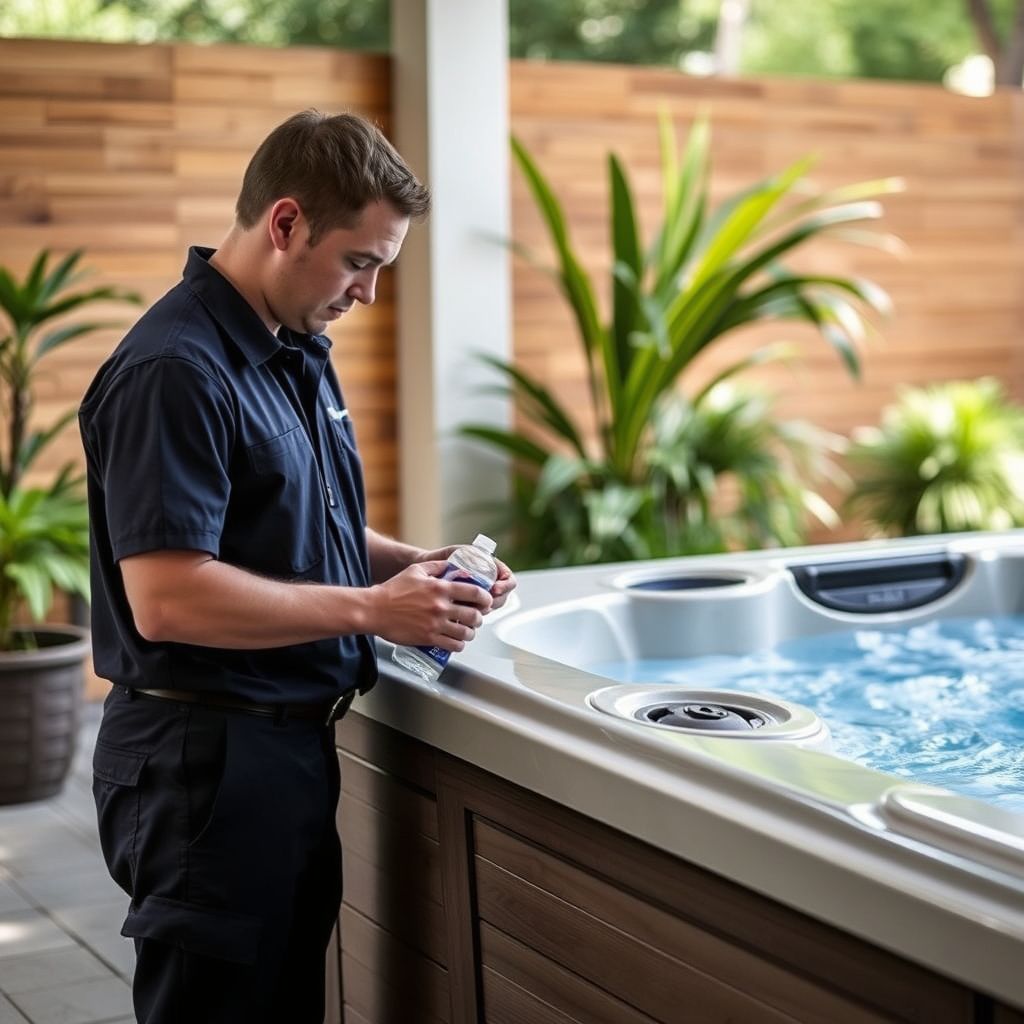
Owning a spa is an amazing way to relax, but if you’re busy with work, family, and everything else, maintenance can feel overwhelming. This guide breaks spa care into quick, manageable tasks so you can keep your water clean, safe, and inviting without spending hours every week.
Why Spa Maintenance Matters
A well‑maintained spa:
Keeps water safe and hygienic.
Prevents skin and eye irritation.
Extends the life of pumps, heaters, and jets.
Saves money by avoiding major repairs or premature replacements.
Neglecting maintenance usually shows up as cloudy water, bad smells, scale buildup, or equipment failure—problems that are more expensive to fix than to prevent.
The 5-Minute Daily Routine
These quick tasks protect your water quality and make weekly work easier.
Check the cover: Make sure it’s on straight, not torn, and free of standing water. A good cover keeps debris out and heat in.
Quick visual check of water: Look for cloudiness, foam, discoloration, or strong odors. Any change is an early warning sign.
Run the jets (if not on a schedule): Circulating water helps distribute sanitizer and reduces “dead spots” where bacteria can grow.
Rinse off before use: Encourage everyone to shower or at least rinse quickly. Less lotion, sweat, and makeup in the water means less work for your sanitizer.
If you truly have no time, doing just a 30‑second visual check every day will still help you catch issues before they get worse.
Weekly Maintenance Checklist (10–15 Minutes)
Once a week, set aside a small block of time—maybe the same evening each week—to do these basics.
1. Test and Balance the Water
Use test strips or a test kit to check:
Sanitizer level (chlorine, bromine, or alternative system).
pH.
Alkalinity.
Ideal ranges vary slightly by product, but generally:
pH: about 7.2–7.8.
Total alkalinity: in the recommended range on your test strip or product label.
Sanitizer: in the “OK” range as marked on the strip.
Adjust as needed using the chemicals recommended for your spa. Always:
Add chemicals with the jets running.
Add one product at a time.
Allow time for circulation before retesting.
2. Shock the Water
“Shocking” is adding a higher dose of oxidizer (chlorine or non‑chlorine shock) to:
Destroy contaminants from body oils, lotions, and sweat.
Help clear cloudy or dull water.
Reduce odors.
Shock at least once a week, and always:
Follow the product’s dose instructions for your spa size.
Run the jets with the cover open for the recommended time.
3. Clean the Waterline and Surfaces
Use a spa‑safe cleaner or a soft cloth/sponge:
Wipe the waterline where oils and scum collect.
Remove any visible buildup on seats or around jets.
Avoid household cleaners that can foam, damage surfaces, or affect water balance.
Monthly Maintenance Tasks
Once a month (or more often with heavy use, rentals, or parties), do a deeper clean.
1. Clean or Replace the Filter
Your filter is the spa’s “air filter” for water—it traps dirt, hair, and debris.
Turn off power if required by your spa instructions.
Remove the filter.
Rinse thoroughly with a garden hose, spraying between the pleats.
Once a month, soak the filter in a spa filter cleaner solution (follow label directions), then rinse well.
Replace filters according to your manufacturer’s guidelines or sooner if:
The pleats look worn, frayed, or permanently dirty.
Water flow seems reduced even after cleaning.
2. Inspect the Cover and Cabinet
Check for:
Cracks, tears, or waterlogging in the cover (a heavy cover may be water‑soaked and losing insulation).
Signs of mold or mildew on undersides or seams.
Damage to panels, steps, or handrails.
Clean the cover with a mild, spa‑safe cleaner and, if recommended, a UV protectant to extend its life.
Seasonal or Quarterly Maintenance
Every 3–4 months (or more often for heavy use), it’s time for a full reset.
1. Drain and Refill the Spa
Over time, dissolved solids build up and water becomes harder to balance. A complete drain and refill restores water quality.
Basic steps:
Turn off power at the breaker, as recommended by the manufacturer.
Attach a hose to the drain valve or use a submersible pump.
Drain water to an approved location (follow local regulations).
Once empty, clean the shell with a spa‑safe cleaner and soft cloth.
Rinse thoroughly so no cleaner residue remains.
Refill with fresh water, using a pre‑filter on the hose if your tap water is hard or contains metals.
Restore power, add start‑up chemicals, and balance pH, alkalinity, and sanitizer before use.
2. Check Equipment and Settings
While the spa is drained or just refilled:
Listen for unusual noises from the pump or heater.
Check for leaks around fittings and in the equipment compartment.
Confirm that timers and filtration cycles are set for your lifestyle and energy‑saving preferences.
Time‑Saving Tips for Busy Homeowners
If you’re pressed for time, small changes can make a big difference.
Automate what you can: Use built‑in timers for circulation and filtration, and consider automatic sanitizer systems if compatible.
Pick a “spa day”: Tie weekly maintenance to a fixed time (e.g., Sunday evening) so it becomes routine.
Keep a small caddy of supplies: Store test strips, sanitizer, shock, and a soft cloth near the spa for quick access.
Set phone reminders: Use simple reminders for weekly shocking and monthly filter cleaning.
Book professional service: Schedule regular professional maintenance if you travel often or rent the property out.
The Ultimate Guide to Spa Maintenance for Busy Homeowners
Owning a spa is an amazing way to relax, but if you’re busy with work, family, and everything else, maintenance can feel overwhelming. This guide breaks spa care into quick, manageable tasks so you can keep your water clean, safe, and inviting without spending hours every week.
Why Spa Maintenance Matters
A well‑maintained spa:
Keeps water safe and hygienic.
Prevents skin and eye irritation.
Extends the life of pumps, heaters, and jets.
Saves money by avoiding major repairs or premature replacements.
Neglecting maintenance usually shows up as cloudy water, bad smells, scale buildup, or equipment failure—problems that are more expensive to fix than to prevent.
The 5-Minute Daily Routine
These quick tasks protect your water quality and make weekly work easier.
Check the cover: Make sure it’s on straight, not torn, and free of standing water. A good cover keeps debris out and heat in.
Quick visual check of water: Look for cloudiness, foam, discoloration, or strong odors. Any change is an early warning sign.
Run the jets (if not on a schedule): Circulating water helps distribute sanitizer and reduces “dead spots” where bacteria can grow.
Rinse off before use: Encourage everyone to shower or at least rinse quickly. Less lotion, sweat, and makeup in the water means less work for your sanitizer.
If you truly have no time, doing just a 30‑second visual check every day will still help you catch issues before they get worse.
Weekly Maintenance Checklist (10–15 Minutes)
Once a week, set aside a small block of time—maybe the same evening each week—to do these basics.
1. Test and Balance the Water
Use test strips or a test kit to check:
Sanitizer level (chlorine, bromine, or alternative system).
pH.
Alkalinity.
Ideal ranges vary slightly by product, but generally:
pH: about 7.2–7.8.
Total alkalinity: in the recommended range on your test strip or product label.
Sanitizer: in the “OK” range as marked on the strip.
Adjust as needed using the chemicals recommended for your spa. Always:
Add chemicals with the jets running.
Add one product at a time.
Allow time for circulation before retesting.
2. Shock the Water
“Shocking” is adding a higher dose of oxidizer (chlorine or non‑chlorine shock) to:
Destroy contaminants from body oils, lotions, and sweat.
Help clear cloudy or dull water.
Reduce odors.
Shock at least once a week, and always:
Follow the product’s dose instructions for your spa size.
Run the jets with the cover open for the recommended time.
3. Clean the Waterline and Surfaces
Use a spa‑safe cleaner or a soft cloth/sponge:
Wipe the waterline where oils and scum collect.
Remove any visible buildup on seats or around jets.
Avoid household cleaners that can foam, damage surfaces, or affect water balance.
Monthly Maintenance Tasks
Once a month (or more often with heavy use, rentals, or parties), do a deeper clean.
1. Clean or Replace the Filter
Your filter is the spa’s “air filter” for water—it traps dirt, hair, and debris.
Turn off power if required by your spa instructions.
Remove the filter.
Rinse thoroughly with a garden hose, spraying between the pleats.
Once a month, soak the filter in a spa filter cleaner solution (follow label directions), then rinse well.
Replace filters according to your manufacturer’s guidelines or sooner if:
The pleats look worn, frayed, or permanently dirty.
Water flow seems reduced even after cleaning.
2. Inspect the Cover and Cabinet
Check for:
Cracks, tears, or waterlogging in the cover (a heavy cover may be water‑soaked and losing insulation).
Signs of mold or mildew on undersides or seams.
Damage to panels, steps, or handrails.
Clean the cover with a mild, spa‑safe cleaner and, if recommended, a UV protectant to extend its life.
Seasonal or Quarterly Maintenance
Every 3–4 months (or more often for heavy use), it’s time for a full reset.
1. Drain and Refill the Spa
Over time, dissolved solids build up and water becomes harder to balance. A complete drain and refill restores water quality.
Basic steps:
Turn off power at the breaker, as recommended by the manufacturer.
Attach a hose to the drain valve or use a submersible pump.
Drain water to an approved location (follow local regulations).
Once empty, clean the shell with a spa‑safe cleaner and soft cloth.
Rinse thoroughly so no cleaner residue remains.
Refill with fresh water, using a pre‑filter on the hose if your tap water is hard or contains metals.
Restore power, add start‑up chemicals, and balance pH, alkalinity, and sanitizer before use.
2. Check Equipment and Settings
While the spa is drained or just refilled:
Listen for unusual noises from the pump or heater.
Check for leaks around fittings and in the equipment compartment.
Confirm that timers and filtration cycles are set for your lifestyle and energy‑saving preferences.
Time‑Saving Tips for Busy Homeowners
If you’re pressed for time, small changes can make a big difference.
Automate what you can: Use built‑in timers for circulation and filtration, and consider automatic sanitizer systems if compatible.
Pick a “spa day”: Tie weekly maintenance to a fixed time (e.g., Sunday evening) so it becomes routine.
Keep a small caddy of supplies: Store test strips, sanitizer, shock, and a soft cloth near the spa for quick access.
Set phone reminders: Use simple reminders for weekly shocking and monthly filter cleaning.
Book professional service: Schedule regular professional maintenance if you travel often or rent the property out.
When to Call a Professional
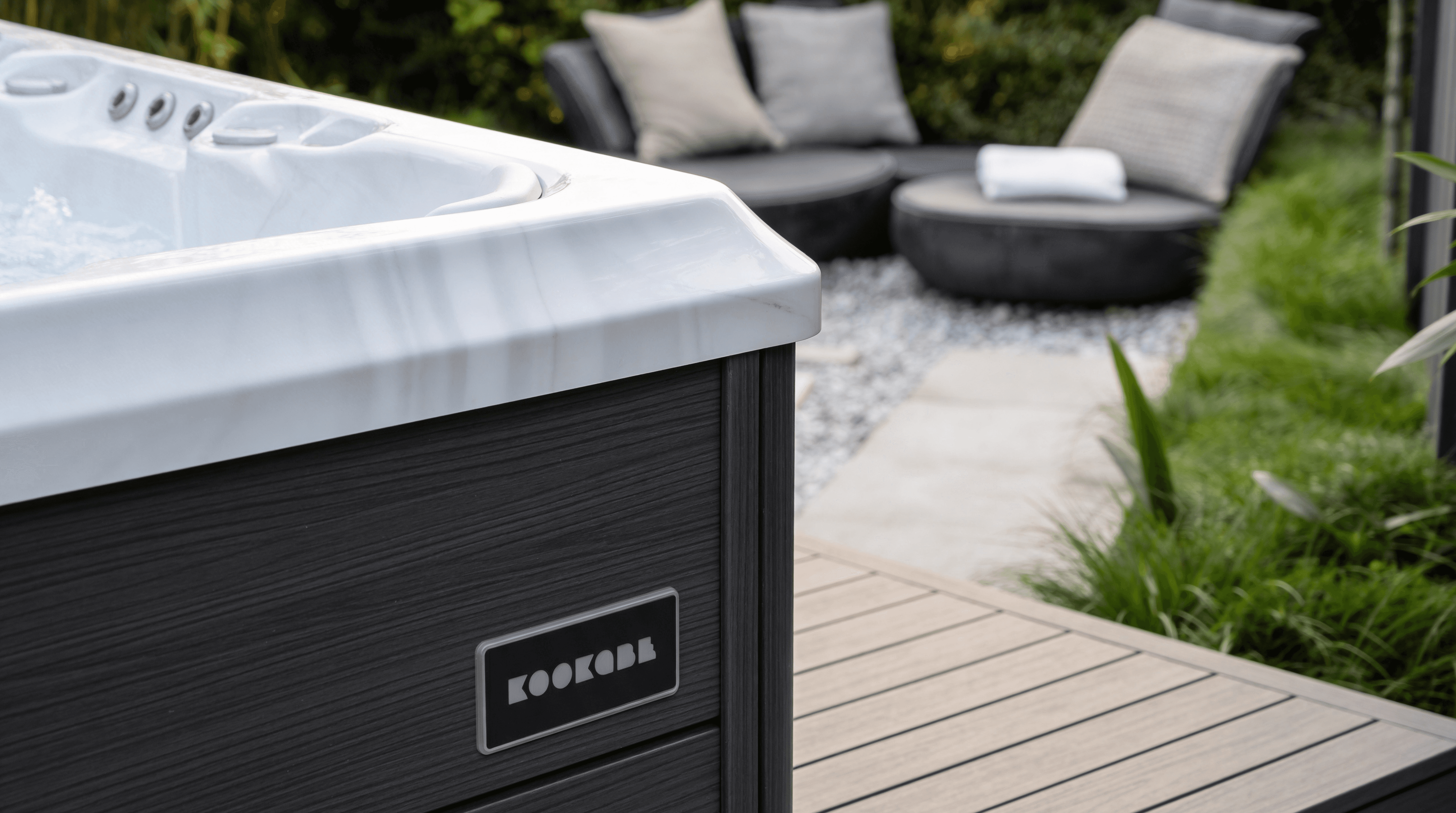
Some issues are better handled by a trained technician, including:
Repeated cloudy or green water despite proper balancing.
Strong, persistent chemical smells.
Heater not working or water not warming up.
Tripping breakers or obvious electrical issues.
Leaks you can’t easily trace.
Getting help early usually costs less than waiting until the spa stops working completely.
Simple Example Maintenance Schedule
For a typical homeowner who uses the spa a few times a week:
Daily: Quick visual check, check cover, run jets if needed.
Weekly: Test and balance water, shock, wipe waterline.
Monthly: Deep‑clean filter, inspect cover and steps.
Every 3–4 months: Drain, clean, and refill; check equipment.
With this structure, spa care becomes a series of small, predictable tasks instead of a big chore. That way, even a busy homeowner can enjoy clean, comfortable, and safe soaks all year long.
When to Call a Professional
Some issues are better handled by a trained technician, including:
Repeated cloudy or green water despite proper balancing.
Strong, persistent chemical smells.
Heater not working or water not warming up.
Tripping breakers or obvious electrical issues.
Leaks you can’t easily trace.
Getting help early usually costs less than waiting until the spa stops working completely.
Simple Example Maintenance Schedule
For a typical homeowner who uses the spa a few times a week:
Daily: Quick visual check, check cover, run jets if needed.
Weekly: Test and balance water, shock, wipe waterline.
Monthly: Deep‑clean filter, inspect cover and steps.
Every 3–4 months: Drain, clean, and refill; check equipment.
With this structure, spa care becomes a series of small, predictable tasks instead of a big chore. That way, even a busy homeowner can enjoy clean, comfortable, and safe soaks all year long.